Devon Meier · 27 October 2026
Ustka's Tourism Growth Spurs Creation of Dedicated Shoreline Zones to Safeguard Local Wildlife Habitats
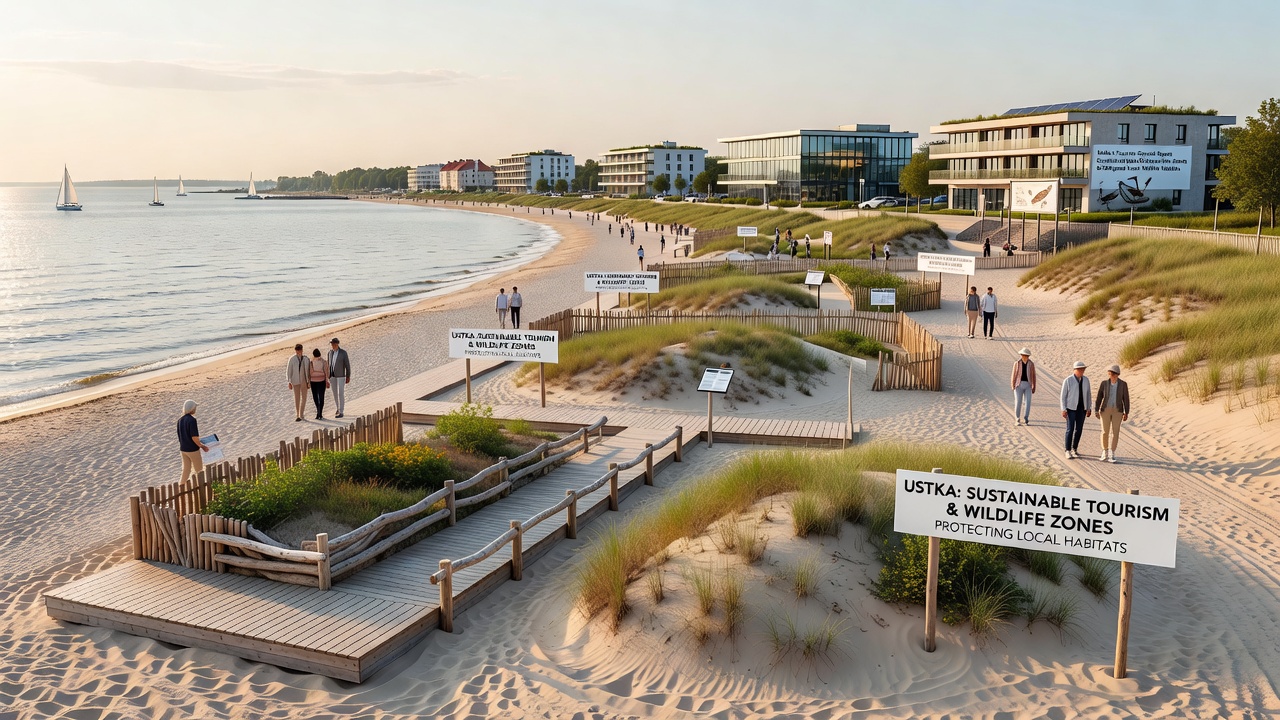
Ustka has recorded steady increases in visitor numbers over recent years, and local authorities responded by designating specific shoreline segments as protected zones where access remains limited to preserve nesting sites and feeding grounds for coastal species; these measures took effect in phases, with final boundaries confirmed during October 2026.
Visitor Trends and Regional Data
Official records from the Pomeranian Voivodeship show annual tourist arrivals in Ustka rising from roughly 180,000 in 2019 to more than 310,000 by 2025, driven largely by improved rail connections and expanded accommodation options along the central Baltic coast. Accommodation occupancy rates climbed to 78 percent during peak summer months, while shoulder seasons extended from May through September as international visitors from Germany and Scandinavia increased their share of total stays. Researchers tracking foot traffic along the beachfront noted concentrated use near the harbor and river mouth, areas that overlap with traditional haul-out sites for grey seals and breeding grounds for several shorebird species.
Wildlife Pressures Documented
Monitoring programs run by the Polish State Forests and the University of Gdańsk recorded a 22 percent drop in successful ringed plover nests between 2022 and 2025 within the most heavily visited 1.8-kilometer stretch east of the Słupia River. Seal counts during the same period remained stable overall yet showed reduced pup survival in zones where dogs and pedestrians entered resting areas repeatedly. Water quality samples collected by the Regional Inspectorate for Environmental Protection indicated localized spikes in organic waste near informal picnic spots, prompting calls for clearer demarcation of sensitive habitats.
Zone Designation Process
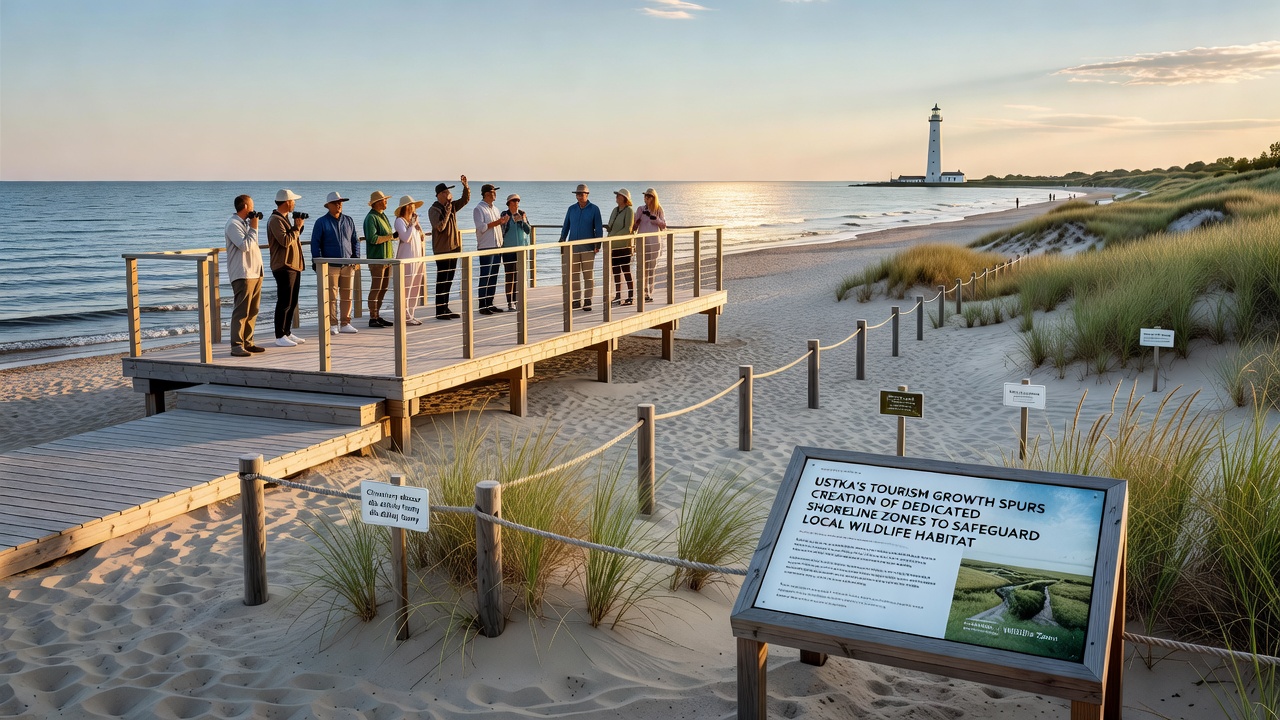
Planning documents submitted to the Ministry of Climate and Environment outlined three categories of shoreline management: full-access beaches with seasonal signage, restricted corridors allowing supervised educational walks, and no-entry buffers covering dune ridges and low-tide flats. Boundary markers consisting of low wooden posts and buried cable fencing were installed during late summer 2026, with enforcement beginning 1 October that year. Municipal rangers received additional training in species identification and conflict de-escalation, while digital mapping apps updated by the local tourism board now display real-time zone status to arriving visitors.
Funding for the project combined municipal budgets with grants from the European Regional Development Fund under the Baltic Sea Region programme, covering signage, fencing materials, and a small interpretive center scheduled to open in spring 2027. Comparable initiatives in other Polish coastal towns, such as Łeba and Darłowo, supplied templates for community consultation meetings held in Ustka during winter 2025.
Implementation Details and Early Outcomes
Early observations after the October 2026 rollout showed a 35 percent reduction in off-path activity within the new buffers, according to drone surveys conducted by the Maritime Institute in Gdańsk. Educational materials distributed at the tourist information office emphasize seasonal restrictions, including temporary closure of certain paths during spring nesting periods. Local business owners reported minimal impact on overall revenue, because alternative beach sections remain fully open and new guided wildlife tours generate additional income streams. Enforcement relies primarily on voluntary compliance supported by occasional patrols, with fines set at 250 PLN for first offenses.
Broader Context and Related Measures
Poland's national biodiversity strategy, updated in 2024, lists coastal habitat connectivity as a priority, and Ustka's zoning aligns with targets set by the Helsinki Commission for the Baltic Sea. Data compiled by the European Environment Agency highlight similar visitor-pressure challenges across multiple member states, with several municipalities experimenting with timed entry systems and seasonal dog bans. In Ustka, additional steps include upgraded waste collection points and seasonal lifeguard stations that double as zone stewards during high season.
Conclusion
Continued monitoring through 2027 will determine whether the new shoreline zones maintain or improve nesting success rates and seal resting behavior while sustaining tourism growth. Updated figures will be released quarterly by the Pomeranian Voivodeship tourism board, allowing adjustments to boundaries or signage if patterns shift. The approach taken in Ustka provides one example of how expanding visitor economies and habitat protection can proceed within the same coastal stretch when boundaries receive clear definition and consistent upkeep.