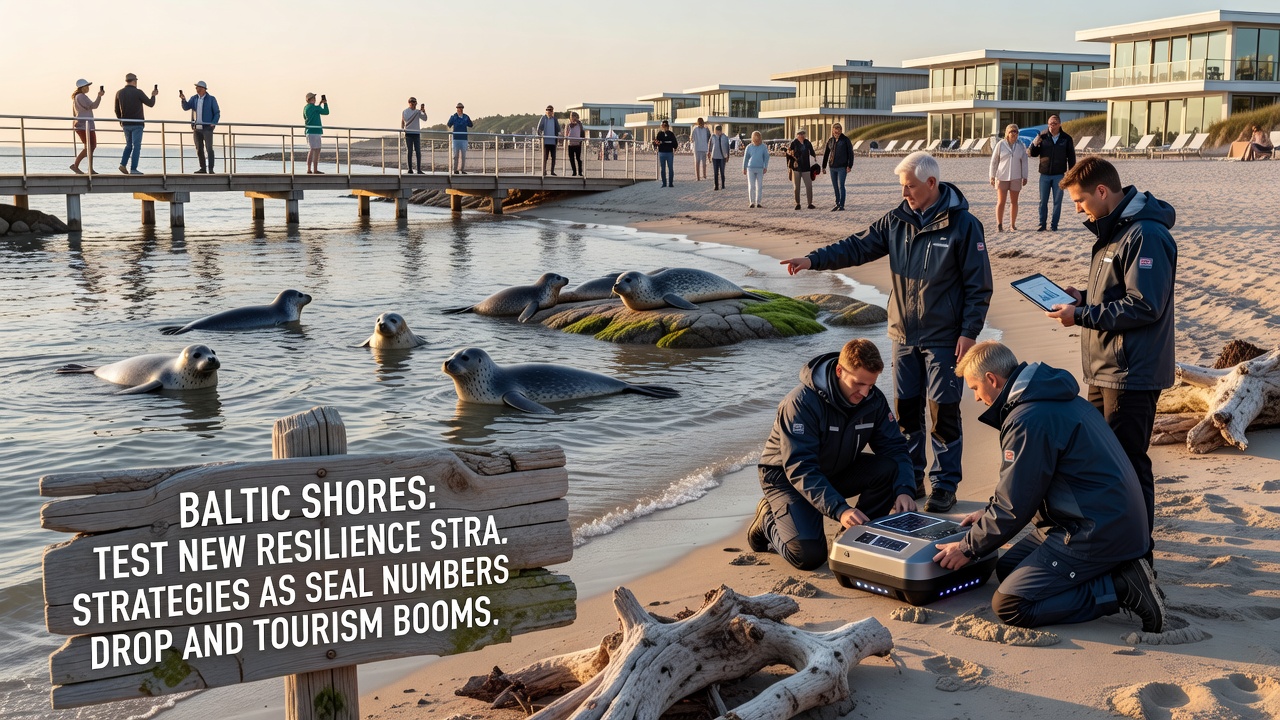
Devon Meier · 13 October 2026
Baltic Coastal Regions Roll Out Adaptive Measures to Counter Seal Declines and Tourism Growth
Baltic coastal regions have begun testing new resilience strategies in response to falling seal populations and expanding tourism, with several projects launching monitoring networks and habitat protections by October 2026. Researchers from multiple institutions track grey seal and harbour seal numbers across the region, noting consistent drops linked to pollution, fishing interactions, and changing prey availability. At the same time visitor numbers along Polish, German, and Swedish shores continue to rise, creating pressure on nesting and resting sites that experts say requires coordinated intervention.
Tracking Seal Population Trends
Data collected through the HELCOM network shows seal counts in key Baltic areas have fallen by roughly 15 percent over the past decade, although some local subpopulations display slower rates of decline where protective zones already exist. Scientists combine satellite tagging with annual surveys to map breeding success and mortality events, then feed results into models that predict future habitat needs. Those models highlight how warmer water temperatures and reduced ice cover alter haul-out sites, forcing seals into areas already popular with beachgoers.
Tourism Expansion and Habitat Overlap
Tourism statistics from national agencies indicate a steady climb in coastal visits, with several municipalities reporting annual increases between 8 and 12 percent since 2020. This growth brings economic benefits yet also concentrates foot traffic near shallow bays and sandbanks where seals rest. Municipal planners therefore work with tourism boards to install seasonal signage, temporary fencing, and designated viewing platforms that limit disturbance while still allowing visitors to observe wildlife from safe distances.
Resilience Strategies Under Trial
One ongoing initiative tests floating observation platforms equipped with underwater microphones and cameras; these devices record seal vocalizations and boat traffic simultaneously so authorities can adjust speed limits or reroute ferries when activity spikes. Another approach involves restoring submerged vegetation beds that support fish populations, thereby improving food availability for seals without restricting human access to the surface. Local governments also trial dynamic zoning systems that shift protected boundaries according to real-time seal movement data gathered during the autumn migration period.
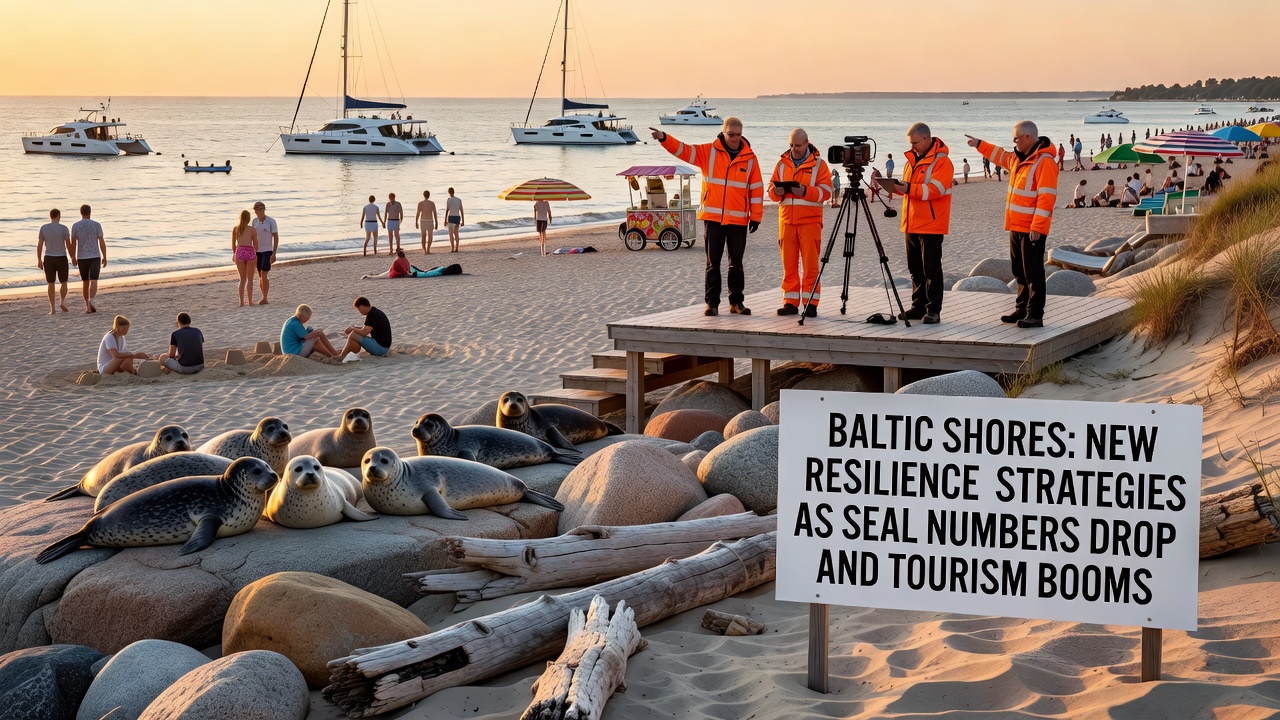
Funding for these measures comes from a combination of EU regional development grants and national environmental budgets, with allocation decisions guided by joint committees that include scientists, fishers, and tourism operators. In October 2026 several pilot sites along the Pomeranian coast began public reporting of weekly seal sighting counts, allowing residents and visitors to see how protective actions correlate with observed animal presence.
Cross-Border Coordination Efforts
Because seals move freely across national waters, authorities in Poland, Germany, Denmark, and Sweden exchange data through shared databases managed by the Baltic Sea Advisory Council. This arrangement lets each country adjust its local rules based on regional trends rather than isolated national figures. Studies published by the European Environment Agency underscore the value of such cooperation, noting that isolated measures produce smaller population gains than synchronized programs spanning multiple jurisdictions.
Measuring Early Outcomes
Preliminary reports from the first two years of resilience trials show modest stabilization in seal pup survival rates at sites where viewing platforms and vegetation restoration occurred together. Boat traffic logs indicate a 20 percent drop in close approaches to haul-out areas after speed restrictions took effect, while visitor satisfaction surveys remain stable because access was preserved rather than eliminated. Researchers continue to refine the models with each new season of data, adjusting thresholds for intervention when numbers dip below agreed reference points.
Conclusion
Baltic coastal managers therefore maintain a rolling schedule of evaluation and adjustment, incorporating feedback from both ecological monitoring and tourism metrics. The combination of technology, habitat work, and coordinated policy appears to offer a practical path forward while the region continues to balance conservation needs with economic activity that shows no sign of slowing. Ongoing data collection through 2027 will determine whether these initial resilience measures scale effectively across the wider Baltic basin.