Dana Reed · 29 September 2026
Baltic Coastal Regions Experiment with Advanced Dredging Techniques Amid Falling Seal Counts and Expanding Tourist Areas
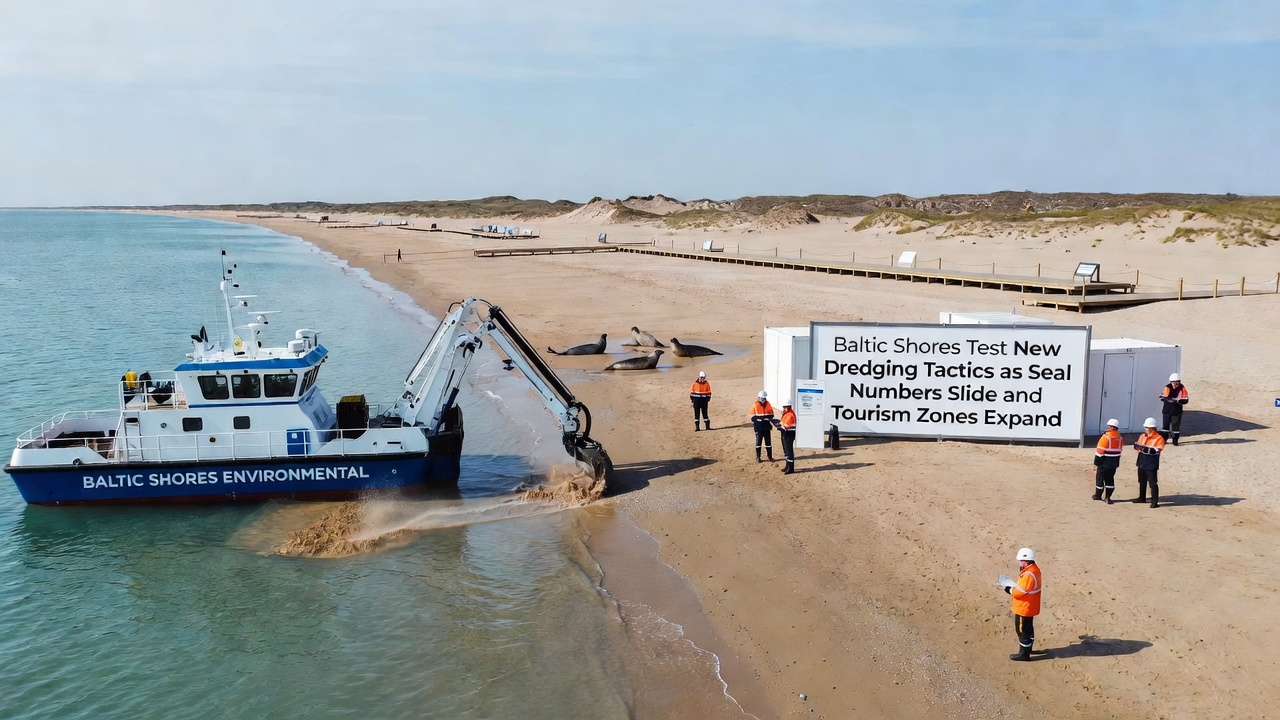
Baltic coastal regions have begun testing modified dredging methods in response to documented drops in seal populations and the steady growth of designated tourism zones along the shoreline. Monitoring programs coordinated across multiple countries report that grey seal numbers in key areas have decreased by approximately 12 percent between 2023 and 2025, while visitor infrastructure projects have increased by 18 percent in the same period.
Authorities in Pomerania and neighboring districts adjusted dredging schedules and equipment configurations starting in early 2026. These adjustments focus on reducing sediment plumes that interfere with seal foraging routes and haul-out sites. Data collected through acoustic sensors and satellite tagging show that traditional cutter suction dredgers create suspended particles lasting up to 72 hours, which can displace fish stocks that seals rely on.
Updated Dredging Protocols and Equipment Changes
Engineers introduced enclosed suction systems paired with real-time turbidity monitoring buoys in test zones near Kołobrzeg and Ustka. The systems limit overflow discharge and adjust pump rates automatically when particle levels exceed thresholds established by regional environmental agencies. Field reports from September 2026 indicate that these modifications cut visible sediment spread by nearly 40 percent compared with operations conducted the previous year.
Contractors also shifted dredging windows to avoid peak seal breeding months. Instead of continuous summer operations, crews now work in shorter blocks during late autumn and early spring when seal activity near the seabed remains lower. Port authorities in Gdańsk and Gdynia incorporated these timing restrictions into new tender documents released in mid-2026.
Seal Population Trends and Monitoring Data
Long-term surveys coordinated by the Baltic Marine Environment Protection Commission document a gradual decline in pup production along the Polish coast. Counts at the Słowiński National Park haul-out sites dropped from 1,240 pups in 2022 to 1,090 in 2025. Researchers attribute part of the change to cumulative habitat pressures that include both marine construction and increased vessel traffic from tourism operators.
Telemetry studies reveal that adult seals travel farther offshore when dredging occurs within five kilometers of traditional resting areas. One multi-year project tracked 47 individuals and found average foraging distances increased by 8.3 kilometers during active dredging periods. These shifts raise energy expenditure and may affect reproductive success over successive seasons.
Tourism Zone Expansion and Coastal Planning
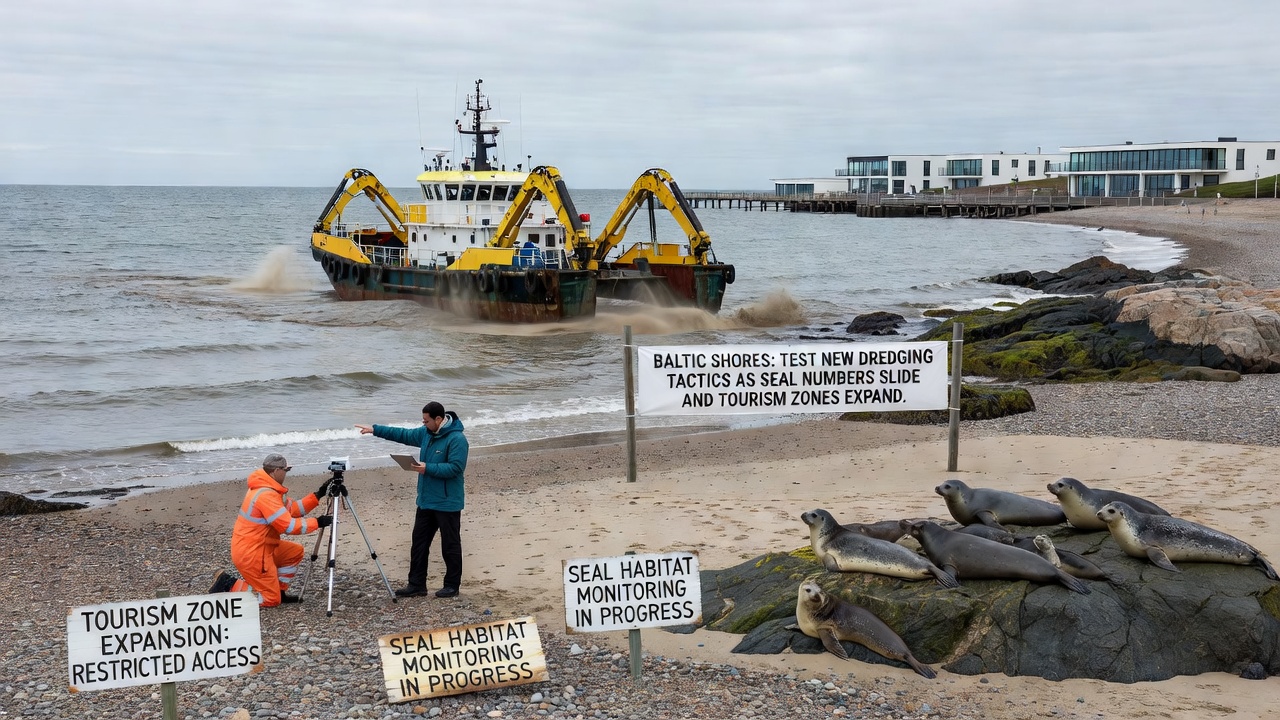
Municipal records show that new tourism zones approved between 2024 and 2026 cover an additional 2,150 hectares along the Polish Baltic coast. These zones include marinas, beach facilities, and seasonal accommodation clusters. Planning documents require environmental impact assessments that now incorporate seal movement corridors identified through recent tagging data.
Local governments in the West Pomeranian Voivodeship updated zoning maps in August 2026 to include buffer strips around known haul-out locations. Construction permits for waterfront paths and viewing platforms now stipulate seasonal access limits during seal pupping periods. Tourism operators have begun offering guided boat tours that maintain minimum distances from active seal sites, a measure promoted through voluntary certification programs.
Integration of Research Findings into Practice
Joint working groups that include port operators, marine biologists, and tourism representatives reviewed initial results from the modified dredging trials in September 2026. Preliminary findings suggest that combining enclosed suction technology with adjusted seasonal timing produces measurable reductions in disturbance to both fish assemblages and seal distribution patterns. Further trials are scheduled through spring 2027 to refine turbidity thresholds and equipment settings.
Funding for these initiatives comes from a combination of national port modernization grants and European Union cohesion funds allocated for sustainable maritime infrastructure. Project summaries released by the Polish Maritime Economy Ministry note that participating ports must submit quarterly environmental performance reports that track both dredging impacts and tourism-related vessel movements.
Conclusion
Coordinated adjustments to dredging practices continue alongside ongoing expansion of tourism infrastructure along Baltic shores. Monitoring programs established in 2026 will provide additional data on seal population responses over the next several seasons. Regional authorities plan to evaluate whether the current combination of equipment modifications and timing restrictions warrants broader application across other Baltic Sea ports and coastal development sites.